Affordable Housing in India: Trends, Challenges & Opportunities

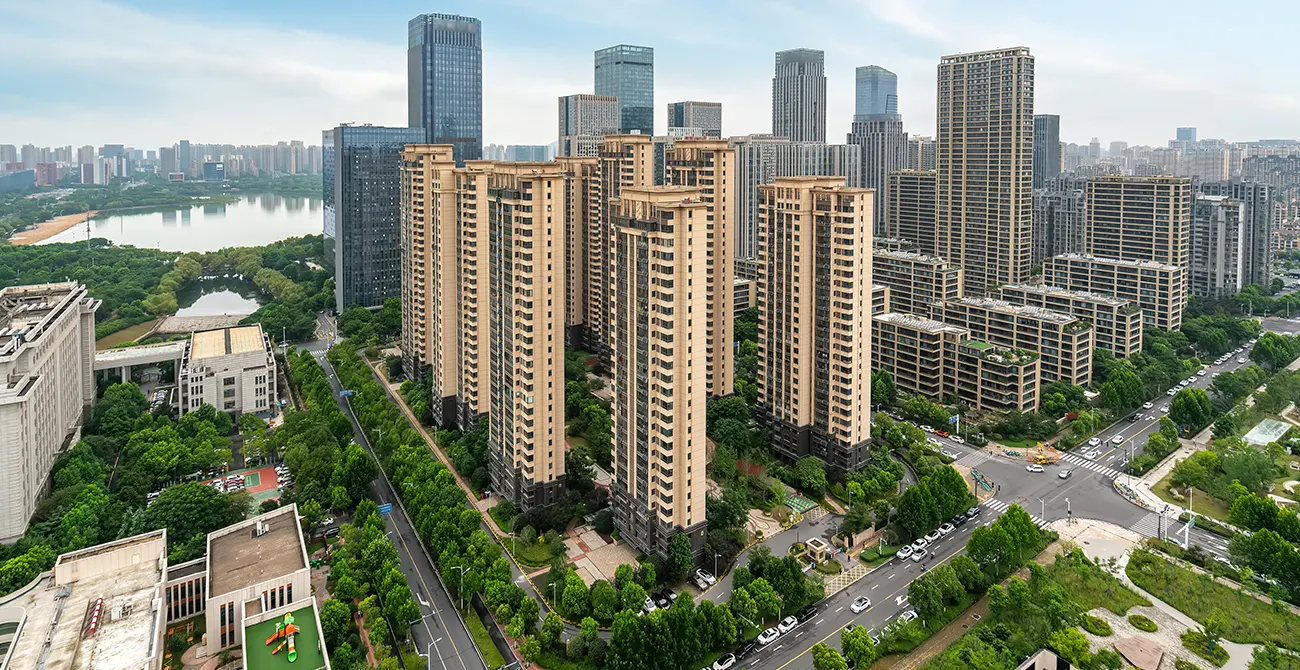
Affordable housing has become one of the key focus areas in India’s urban development plans. With the country’s growing population and rapid urbanization, the demand for low-cost, quality homes is rising faster than ever. The government, private builders, and financial institutions are working together to make housing more accessible for all.

Trends in Affordable Housing

Let’s take a look at some of the major trends shaping the affordable housing sector in India today.

1. Government Initiatives

The Indian government has launched several schemes to promote affordable housing. Programs like Pradhan Mantri Awas Yojana (PMAY) aim to provide homes for all, especially to people from economically weaker sections and low-income groups. Subsidies on home loans have made it easier for many families to buy their first home.

2. Growth in Tier 2 and Tier 3 Cities

Affordable housing projects are now expanding beyond metro cities. Developers are focusing more on Tier 2 and Tier 3 cities such as Indore, Surat, Lucknow, and Coimbatore, where land is cheaper and demand is rising.

3. Use of Technology

The construction industry is adopting modern technologies like prefabrication, modular construction, and green building materials. These innovations help reduce costs and speed up construction, making homes more affordable.

Challenges in Affordable Housing

Despite the progress, several challenges continue to slow down the growth of affordable housing in India.

1. High Land Costs

One of the biggest hurdles is the high cost of land, especially in urban areas. This makes it difficult to build truly affordable homes within city limits.

2. Delays in Approvals and Clearances

Lengthy approval processes and complex regulations slow down project timelines. This increases costs and discourages developers from investing in affordable housing.

3. Limited Access to Finance

Many people in low-income groups do not have formal income proof or credit history. This makes it hard for them to get home loans from banks and financial institutions.

4. Infrastructure Gaps

Affordable housing projects often come up in areas with poor connectivity, water, and electricity supply, which reduces their attractiveness for buyers.

Opportunities Ahead

The future of affordable housing in India looks promising with new opportunities emerging across sectors.

1. Public-Private Partnerships (PPP)

Collaboration between the government and private developers can bridge the demand-supply gap. PPP models can help provide land, infrastructure, and financial support for large-scale housing projects.

2. Rising Middle-Class Demand

With increasing incomes and urban migration, there is strong demand from the middle class for affordable yet modern housing. Developers can tap into this growing market with smart planning and pricing.

3. Smart Cities and Sustainable Housing

The rise of smart cities and the focus on eco-friendly buildings create new opportunities for sustainable and affordable housing solutions that are both modern and energy-efficient.

Conclusion

Affordable housing in India is not just a need but an opportunity to shape the future of urban living. While challenges like high land prices and regulatory hurdles exist, strong government support, technology adoption, and private sector participation can make housing accessible to millions. With the right policies and execution, India can move closer to its vision of “Housing for All.

How Lifestyle Amenities Are Redefining Modern Housing

The concept of housing has changed dramatically over the years. Homes are no longer just spaces to live in — they’ve become a reflection of comfort, convenience, and lifestyle. Modern homebuyers are looking for more than four walls; they want communities that offer experiences, facilities, and a better quality of life through lifestyle amenities.

The Changing Definition of Modern Housing

Today’s homebuyers are driven by comfort, community, and convenience.

1. Shift from Basic to Premium Living

Housing is evolving from basic needs to lifestyle-driven preferences.Earlier, buyers focused mainly on location and price. But now, they also look for modern amenities like gyms, swimming pools, and clubhouses that enhance daily living and bring comfort within reach.

2. Focus on Community Living

People want more than just a home—they want to belong to a community. Modern housing projects include common spaces, parks, and social clubs that encourage interaction and build stronger neighborhood connections. These shared spaces are especially valued by young families and professionals.

3. Health and Wellness Amenities

Wellness is becoming a top priority for homebuyers. Developers are now including fitness centers, yoga decks, jogging tracks, and meditation zones in residential projects. These amenities promote physical health and mental well-being, allowing residents to lead a balanced lifestyle without leaving their community.

Popular Lifestyle Amenities in Modern Housing

Developers are introducing a variety of features that suit modern-day needs.

1. Smart Home Technology

Technology is making homes safer and more efficient. Smart home systems with automated lighting, security cameras, and energy-saving devices are now standard features. These technologies provide convenience, safety, and control at your fingertips.

2. Recreational and Leisure Spaces

Recreation is an essential part of modern living. From swimming pools and sports courts to movie rooms and lounges, these facilities help residents relax and enjoy their free time. Such amenities make housing projects more attractive and enjoyable.

3. Green and Sustainable Features

Eco-friendly amenities are becoming a major selling point. Features like rainwater harvesting, solar lighting, green roofs, and landscaped gardens not only beautify the surroundings but also help promote sustainability and reduce maintenance costs.

Why Lifestyle Amenities Matter?

Amenities are shaping the way people choose and experience their homes.

1. Enhancing Quality of Life

Modern amenities make everyday life easier and more fulfilling. With access to fitness areas, entertainment zones, and green spaces, residents can enjoy a complete lifestyle experience within their housing complex.

2. Increasing Property Value

Homes with premium amenities offer better returns over time. Projects with top-class facilities often attract higher resale and rental value. Buyers see these features as long-term investments that offer comfort and convenience.

3. Meeting Changing Buyer Expectations

Developers are adapting to the evolving needs of new-age buyers.Today’s homebuyers, especially millennials, value experience and convenience as much as design and location. Developers are responding with modern, amenity-rich projects that match these expectations.

Conclusion

Lifestyle amenities are redefining what modern housing means in India. They’re not just add-ons—they’re essential elements that enhance comfort, wellness, and community living. As homebuyers continue to seek more value, developers who focus on creating well-equipped, experience-driven spaces will lead the future of real estate.

Building Green: The Future of Sustainable Real Estate in India

Sustainable real estate, also known as green building, is transforming the way we think about construction and urban living. As India continues to urbanize rapidly, the focus is shifting toward environmentally friendly buildings that save energy, use fewer natural resources, and provide a healthier lifestyle for residents.

The Rise of Green Buildings in India

India is witnessing a steady growth in eco-friendly construction as awareness and demand increase.

1. Growing Awareness About Sustainability

People are becoming more conscious of their impact on the environment.
Homebuyers and developers are realizing the importance of energy-efficient, eco-friendly homes. Green buildings not only reduce pollution and waste but also lower electricity and water bills for residents.

2. Government Support and Certifications

Policies and standards are encouraging builders to go green.
The Indian government and organizations like IGBC (Indian Green Building Council) and GRIHA promote sustainable building practices. They offer certifications that recognize buildings designed with energy efficiency, water conservation, and eco-friendly materials in mind.

3. The Role of Technology

Technology is helping developers design smarter and greener buildings.
Modern construction methods like solar energy systems, rainwater harvesting, and waste recycling are becoming common. Smart sensors, energy-efficient lighting, and automated systems also make buildings more sustainable and cost-effective in the long run.

Benefits of Sustainable Real Estate

Green buildings offer advantages for both people and the planet.

1. Energy and Cost Savings

Eco-friendly buildings reduce energy use and cut monthly costs.By using solar panels, natural ventilation, and LED lighting, sustainable properties lower electricity consumption. This helps homeowners save money while reducing the carbon footprint.

2. Healthier Living Spaces

Green homes improve indoor air quality and overall well-being. Sustainable buildings use non-toxic materials, natural light, and better ventilation systems, creating a healthier living environment for families.

3. Long-Term Investment Value

Green properties are more durable and valuable in the long term. Eco-friendly homes have higher resale value because of their lower maintenance costs and growing demand among environmentally conscious buyers.

Challenges in Promoting Sustainable Real Estate

Despite its benefits, green construction faces certain hurdles in India.

1. High Initial Costs

Eco-friendly materials and technology can be expensive at the start.Many developers hesitate to adopt sustainable designs due to the higher upfront investment, even though long-term savings are significant.

2. Lack of Awareness and Expertise

Many builders and buyers are still unfamiliar with green building concepts. Limited awareness and shortage of trained professionals slow down the adoption of sustainable construction methods.

3. Inadequate Policy Implementation

Policies exist, but consistent enforcement is still a challenge.While the government promotes green building through incentives, many regions lack strict regulations to ensure developers follow eco-friendly practices.

The Future of Sustainable Real Estate in India

India’s green building movement is gaining momentum and shaping the future of real estate.

With increasing environmental awareness, stricter emission targets, and urbanization, the demand for sustainable housing is expected to grow. The integration of renewable energy, smart building systems, and eco-friendly materials will play a key role in making cities more sustainable and livable.

Developers who embrace this change today will lead the real estate market of tomorrow.

Conclusion

Sustainable real estate is no longer a luxury—it’s a necessity for India’s future. Green buildings not only protect the environment but also improve the quality of life for residents. While challenges exist, continued innovation, education, and government support can help India build a greener, cleaner, and more sustainable future.


    How to Apply

    Before applying read the Information Booklet thoroughly

    Download Information Booklet

    Available Modes of Application:

    1. 1. Physical Application

      1. The duly completed Application Form, together with a Demand Draft / Pay Order towards the Application Money of Rs. ₹1,52,200/-, payable in favour of “Bengal DCL Housing Development Company Limited”, may be submitted at any of the above-mentioned locations.

    2. 2. Online Application

    A physical copy of the Brochure shall be dispatched to the applicant’s postal address through courier or Speed Post.

    Applicant Details


    Permanent Address

    Correspondence Address

    Joint Applicant Details


    Joint Applicant’s Correspondence Address

    Upload Payment Receipt


    Terms & Conditions

    1. I/We hereby solemnly declare that all the foregoing facts are true and nothing relevant has been concealed or supressed. I/We also undertake to inform Bengal DCL Housing Development Company Limited of any future changes, related to the information and details shown in this Application Form.

    2. I/We hereby understand, agree and acknowledge that upon execution of this Application Form, the allotment of the Apartment shall be carried out through a draw of lots to be conducted by Bengal DCL. In the event I/We am/are selected in such draw of lots, Bengal DCL shall issue a letter of provisional allotment (‘Allotment Letter’) in my/our favour. I/We shall, within a period of 30 (Thirty) days from the date of receipt of the Allotment Letter, duly sign and return the duplicate copy thereof as confirmation of my/our acceptance of such provisional allotment.

    3. In the event my/our applications submitted is rejected due to the application being incomplete or deficient in any respect and/or not accompanied by the requisite remittances and/or relevant documents as specified in the information booklet, in that case the application money received from the applicant will be refunded online without interest, to the respective applicant(s) bank account as declared and provided in the application form within three months from the last date of submission of application form.

    4. In the event I/We am/are not selected in the draw of lots, or if no allotment is made pursuant thereto, Bengal DCL shall refund the application money received from me/us, without interest and without any further liability, within a period of 3 (three) months from the date of such draw of lots

    5. In the event of my/our failure to return the duly signed copy of the Allotment Letter within 7 (seven) days from the date of issuance of such Allotment Letter, Bengal DCL shall be entitled, at its sole discretion, to cancel and/or terminate the provisional allotment without any further notice. Upon such cancellation or termination, Bengal DCL shall refund the application money received from me/us, without interest and without any further liability.

    6. I/we have clearly understood that this Application Form will not make me/us entitled to allotment of any unit even after Bengal DCL acknowledge the receipt of the Application Money, and the same is subject to draw of lots.

    7. I/We further confirm that this application will be binding only after I/we accept, sign and return the Allotment Letter. There shall be an Agreement for Sale and that the allotment shall become final only upon execution of the Agreement for Sale.

    8. I/We agree that upon allotment of the unit, I/we shall without any demur or protest execute and present for registration the Agreement for Sale in respect of the unit within 30 days from the date of the Allotment Letter. I/we agree to pay the Total Price as disclosed to me/us at the time of application and allotment and as more fully provided in the Payment Plan contained in the model Agreement for Sale, within the stipulated timeline therein failing which you Bengal DCL may at its discretion be entitled to cancel the provisional allotment in accordance with the terms of such Agreement for Sale.

    9. I/We further agree to sign and execute necessary documents as and when required by Bengal DCL.

    10. I/We agree that the unit shall only be transferred and conveyed unto me/us subject to the terms and conditions stipulated in the Agreement for Sale and the Deed of Conveyance to be entered into in respect of the unit.

    11. I/We acknowledge and agree that I/we will have no right to the use and enjoyment of the Common Areas, Facilities and Amenities that may be demarcated by Bengal DCL for the exclusive use and enjoyment for allottees of the other segments, as more fully mentioned in the model Agreement for Sale as uploaded in the website of the West Bengal Real Estate Regulatory Authority.

    12. I/We solemnly declare and undertake to use the aforesaid Apartment to be allotted to me/us for residential uses only.

    13. I/We have signed the Application Form after having read and understood its meaning and purport and hereby confirm and accept that all previous Application Form / papers signed / delivered by me to Bengal DCL for the said Unit, if any, shall stand void and cancelled after signing & delivering this Application Form to Bengal DCL.

    14. I/We confirm to have full knowledge of all the relevant laws, rules, regulations, notifications etc. applicable to such projects in general and/or to the instant proposed project in particular and the terms and conditions contained in this application, and the other documents including but not limited to the Information Booklet, model Agreement for Sale, model Deed of Conveyance, and that I/we have clearly understood my/our respective rights, duties, responsibilities, obligations as contained therein.

    15. I/We hereby solemnly declare that all the foregoing facts are true and nothing relevant has been concealed or supressed. I/We also undertake to inform Bengal DCL Housing Development Company Limited of any future changes, related to the information and details provided in this Application Form.

    16. I/We declare that I/we have read and understood the terms and conditions of sale and other information / payment conditions stated in the Information Booklet and the documents related to the project available in the WBRERA website. I /We do hereby solemnly accept and agree to abide by them, and as also others as may be prescribed by Bengal DCL Housing Development Company Limited in future. I/We further agree to sign and execute the necessary documents as and when desired by Bengal DCL Housing Development Company Limited.


    Review Your Application

    Application Type

    -

    Applicant Details

    Full Name

    -

    Father’s Name

    -

    Date of Birth

    -

    PAN

    -

    Occupation

    -

    Aadhaar

    -

    Mobile

    -

    Email

    -

    Permanent Address

    Address

    -

    Post Office

    -

    District

    -

    State

    -

    PIN

    -

    Correspondence Address

    Address

    -

    Post Office

    -

    District

    -

    State

    -

    PIN

    -

    Note: Submission of an Application Form and/or payment of Application Money shall not constitute allotment. All allotments shall be subject to the terms and conditions contained in the Information Booklet and applicable approvals, policies and regulations.

    Register Your Interest