
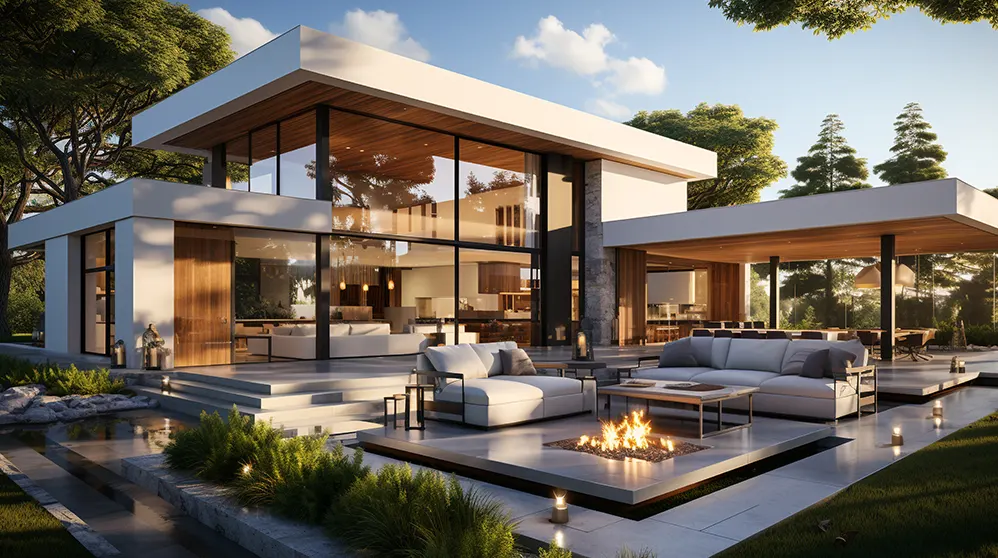
Sustainable real estate, also known as green building, is transforming the way we think about construction and urban living. As India continues to urbanize rapidly, the focus is shifting toward environmentally friendly buildings that save energy, use fewer natural resources, and provide a healthier lifestyle for residents.
The Rise of Green Buildings in India
India is witnessing a steady growth in eco-friendly construction as awareness and demand increase.
1. Growing Awareness About Sustainability
People are becoming more conscious of their impact on the environment.
Homebuyers and developers are realizing the importance of energy-efficient, eco-friendly homes. Green buildings not only reduce pollution and waste but also lower electricity and water bills for residents.
2. Government Support and Certifications
Policies and standards are encouraging builders to go green.
The Indian government and organizations like IGBC (Indian Green Building Council) and GRIHA promote sustainable building practices. They offer certifications that recognize buildings designed with energy efficiency, water conservation, and eco-friendly materials in mind.
3. The Role of Technology
Technology is helping developers design smarter and greener buildings.
Modern construction methods like solar energy systems, rainwater harvesting, and waste recycling are becoming common. Smart sensors, energy-efficient lighting, and automated systems also make buildings more sustainable and cost-effective in the long run.
Benefits of Sustainable Real Estate
Green buildings offer advantages for both people and the planet.
1. Energy and Cost Savings
Eco-friendly buildings reduce energy use and cut monthly costs.By using solar panels, natural ventilation, and LED lighting, sustainable properties lower electricity consumption. This helps homeowners save money while reducing the carbon footprint.
2. Healthier Living Spaces
Green homes improve indoor air quality and overall well-being. Sustainable buildings use non-toxic materials, natural light, and better ventilation systems, creating a healthier living environment for families.
3. Long-Term Investment Value
Green properties are more durable and valuable in the long term. Eco-friendly homes have higher resale value because of their lower maintenance costs and growing demand among environmentally conscious buyers.
Challenges in Promoting Sustainable Real Estate
Despite its benefits, green construction faces certain hurdles in India.
1. High Initial Costs
Eco-friendly materials and technology can be expensive at the start.Many developers hesitate to adopt sustainable designs due to the higher upfront investment, even though long-term savings are significant.
2. Lack of Awareness and Expertise
Many builders and buyers are still unfamiliar with green building concepts. Limited awareness and shortage of trained professionals slow down the adoption of sustainable construction methods.
3. Inadequate Policy Implementation
Policies exist, but consistent enforcement is still a challenge.While the government promotes green building through incentives, many regions lack strict regulations to ensure developers follow eco-friendly practices.
The Future of Sustainable Real Estate in India
India’s green building movement is gaining momentum and shaping the future of real estate.
With increasing environmental awareness, stricter emission targets, and urbanization, the demand for sustainable housing is expected to grow. The integration of renewable energy, smart building systems, and eco-friendly materials will play a key role in making cities more sustainable and livable.
Developers who embrace this change today will lead the real estate market of tomorrow.
Conclusion
Sustainable real estate is no longer a luxury—it’s a necessity for India’s future. Green buildings not only protect the environment but also improve the quality of life for residents. While challenges exist, continued innovation, education, and government support can help India build a greener, cleaner, and more sustainable future.